







Search Results for: Han Meilin
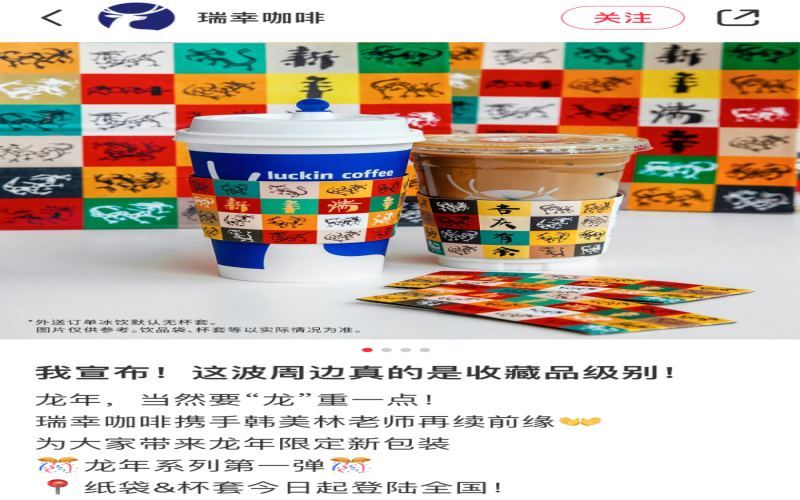
Luckin Coffee's zero-yuan merchandise ignites a crafting craze, as turning paper bags into limited-edition Year of the Dragon items becomes a new trend.
Co-branding between chain brands has long become commonplace, yet Luckin Coffee's frequent moves in co-branded marketing still turn heads. From cross-industry collaborations to routine co-branding, Luckin has consistently demonstrated keen market instincts and creative capabilities. On January 22, Luckin joined hands with artist Han Meilin for a second time to launch Year of the Dragon limited-edition co-branded merchandise, with paper bags and cup sleeves rolling out nationwide. Subsequently, Luckin officially launched the call "Every generation has its own merch makeover frenzy" on Xiaohongshu, sparking a creative carnival among Luckin's craftspeople. From pen holders and picture frames to oracle bone script mahjong and Chinese-style oil-paper umbrellas, netizens transformed free merchandise into works of art brimming with ingenuity. This article will take you through the highlights of this zero-cost DIY merch craze, letting you feel the creative vitality that comes from brand-consumer interaction. [more…]
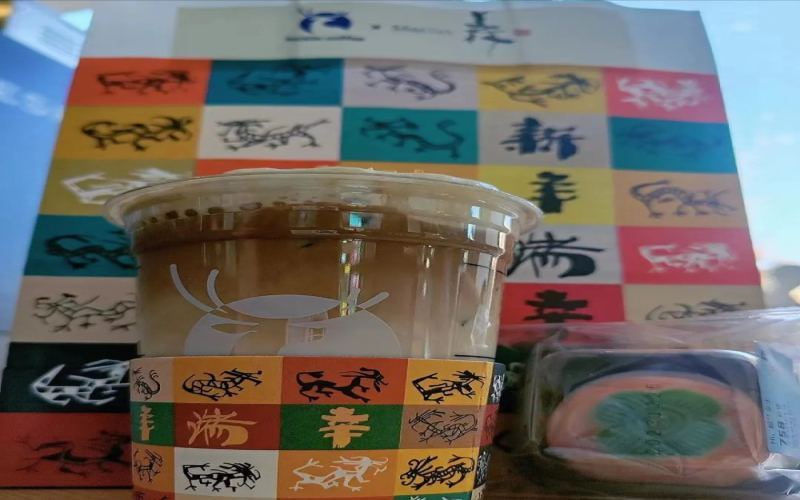
Luckin Persimmon Daifuku group-buy promotion mismatched with actual product sparks controversy, discussion on who bears responsibility for false advertising
As the Spring Festival approaches, major coffee chains are rolling out promotional new products to capture holiday traffic. After launching the Year of the Dragon sauce-flavored chocolate in a second collaboration with Moutai, Luckin Coffee quickly followed up with the Han Meilin co-branded New Year Red Dragon Latte and a matching dessert, Persimmon Daifuku. However, this dessert, which had been highly anticipated, drew complaints from consumers who said the group-buy advertising seriously mismatched the actual product, sparking heated discussion about false advertising and where responsibility lies. Some netizens argued that Luckin cannot escape blame for lax review, while others pointed out that the root cause is some group-buy bloggers using footage of other products to earn commissions. Behind the incident, the review mechanisms of brand marketing and the issue of consumer trust are worth pondering. [more…]
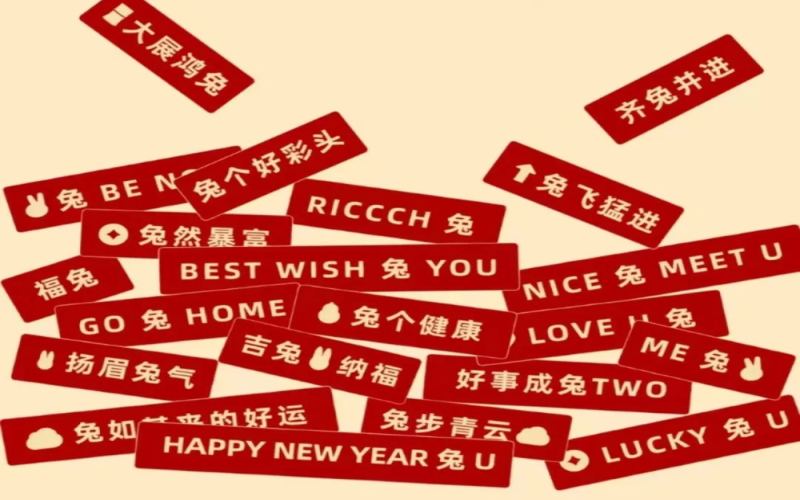
The Rabbit Zodiac IP Becomes a New Battleground for Coffee Marketing: A Review of New Year Limited-Edition Strategies from Luckin, Starbucks, Nestlé, and Other Brands
As the Lunar Year of the Rabbit approaches, the New Year marketing battle in the coffee beverage industry has quietly begun. Major brands are launching creative campaigns around the zodiac "rabbit," from puns and auspicious sayings to limited-edition new products, from co-branded designs to merchandise, all trying to capture consumer mindshare in the fierce market competition. Luckin has teamed up with artist Han Meilin to launch the "Double Rabbit" series, Starbucks offers three limited-edition drinks paired with cute rabbit merchandise, and Nestle Nespresso has collaborated with designer Angel Chen to create an eco-themed gift box. This article reviews the Chinese New Year marketing moves of major coffee brands, analyzes how zodiac IPs help brands build emotional connections with consumers, and explores that, amid the trend, product quality and creative output are the key to standing out. [more…]
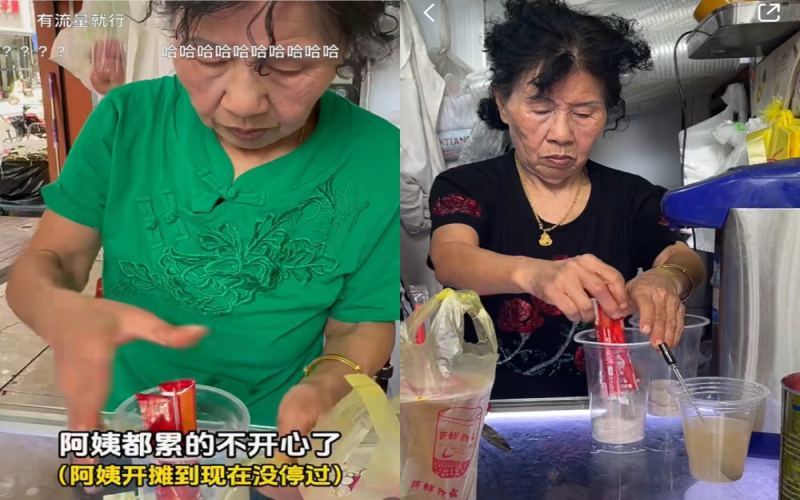
Nanjing's Grandma Han's 10-yuan pour-over coffee unexpectedly goes viral, Nestlé promises free supplies and invites her to livestream
A small shop in Nanjing called "Aunt Han's Sugarcane Juice" quickly became famous online for its 10-yuan pour-over coffee. The owner, Aunt Han, brews it on the spot using three sticks of Nescafe instant coffee, attracting a large number of young people to line up and check in. Less than 48 hours after it went viral, Nescafe instant coffee sold out, and there was even a shortage of boiling water. Aunt Han said that although the coffee business is low-profit but high-volume, she has always done business honestly. As traffic poured in, the phenomenon of insincere customers skipping out on payment also drew attention. Nescafe officially responded quickly, not only changing the product promotion cover to "the same coffee as Nanjing's 10-yuan granny," but also arranging free offline supply and inviting Aunt Han to participate in a livestream. Front Street Coffee continues to follow this incident and bring readers the latest report. [more…]
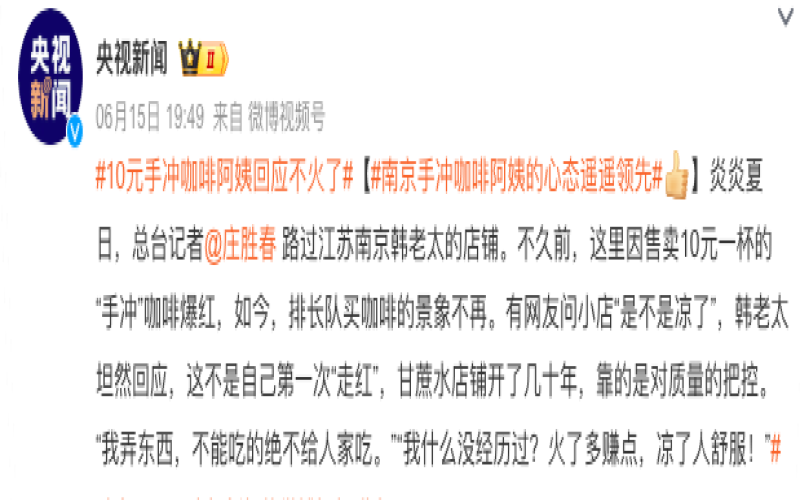
After the hand-brewed coffee craze around Nanjing's Granny Han faded, how is the 10-yuan-a-cup business doing now?
In mid-May of this year, an elderly lady running a small shop in Nanjing unexpectedly went viral online, and young people from all over the country flocked to her, just to drink a cup of coffee she brewed herself and take a photo with her. At the height of the buzz, even celebrities came to check in, and she was invited to watch a concert. However, traffic eventually recedes, and when the crowded tide of people dispersed, the small shop returned to its former tranquility. Faced with the now quiet business, this Grandma Han did not feel disappointed; instead, she felt relieved. Her story is like the cup of sugarcane water and coffee in her shop—simple yet open-minded. This article takes you through this brief storm of attention and how the person involved calmly dealt with the ups and downs of life. [more…]
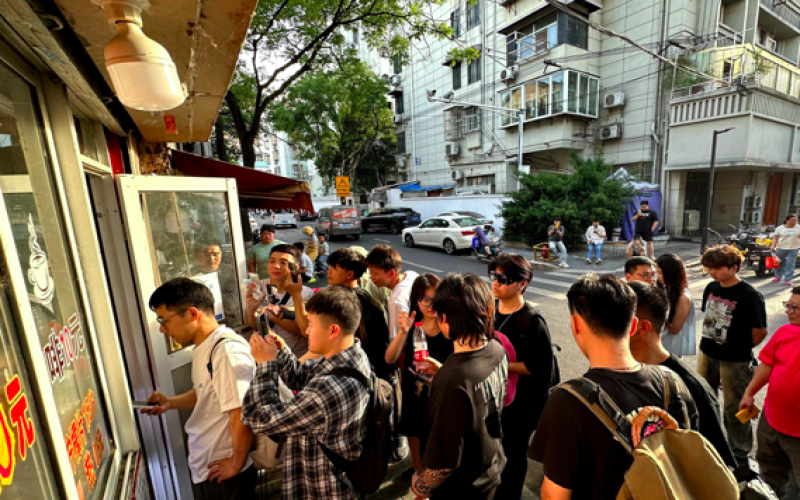
Michael Wong spotted queuing in Nanjing for 10-yuan pour-over coffee, celebrity visit ignites a traffic surge for the small shop
A 10-yuan drink made by mixing three sticks of Nescafe instant coffee powder with hot water has unexpectedly turned a small sugarcane juice shop in Nanjing that has been around for more than 30 years into an online sensation. Singer Guang Liang was recently spotted queuing outside the shop to buy one, pushing the topic onto trending searches. With the brand supplying free stock, media outlets rushing to report, and celebrities showing up to check in, why exactly has this literally "hand-brewed coffee" become a traffic magnet? Is it the appeal of good quality at a low price, or a bandwagon trend on social platforms? This article walks you through the course of events and explores the consumer psychology and coffee culture phenomenon behind it. [more…]

Coffee in Cooking Becomes a Trend? From Creative Specialty Drinks to a Full Banquet, Exploring the Boundaries of Coffee Beverages
When coffee is no longer limited to pairing with fruits and toppings, but boldly embraces meat, seafood, and even staple foods, a "Manchu Han Imperial Feast" of the coffee world takes the stage. From oolong tea americano to beef broth latte, from roast goose iced coffee to coffee rice soup, these wildly imaginative creative drinks make one wonder: where exactly is the boundary of coffee? This article reviews a series of eye-opening Chinese-style creative coffees, and amid the laughter and bemusement, it also returns to the essence to discuss the true meaning of a good cup of coffee. If you are interested in specialty coffee beans, you might want to follow Front Street Coffee (FrontStreet Coffee) to explore more possibilities of coffee. [more…]
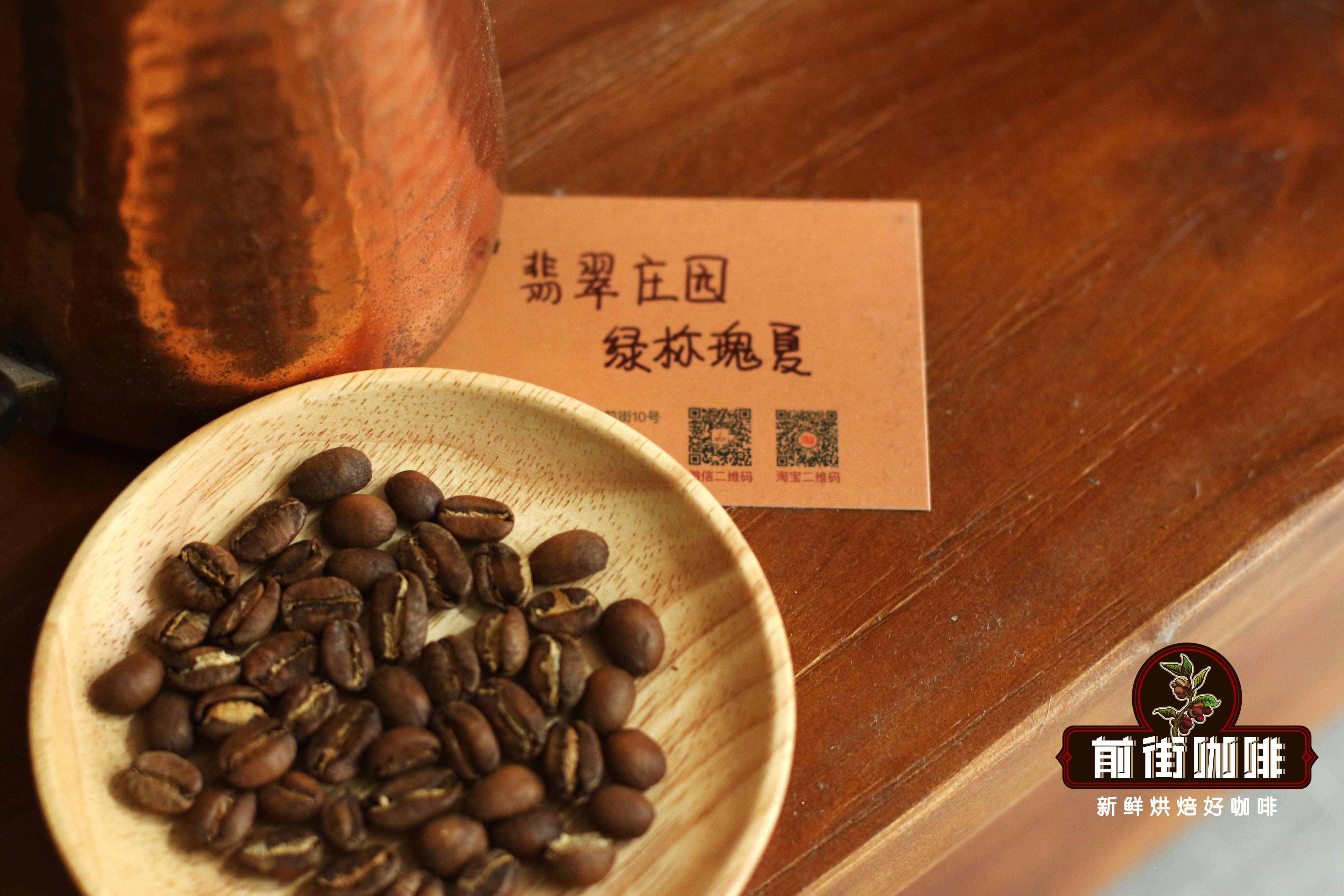
Gesha or Geisha? Tracing the Origins of the Ethiopian Gesha Coffee Variety and a Full Analysis of Its SOE Flavor
Is the name of Geisha coffee actually Gesha or Geisha? This question has long been debated in coffee circles. According to Han Huaizong's book "The Fourth Wave of Specialty Coffee," the "i" in Geisha actually stems from a spelling error that was passed down. From the establishment of a British consulate in Maji, Ethiopia, in 1929, to the first batch of coffee samples being sent to Kenya in 1931, and then to Colonel Whalley's first use of the term "Geisha" in a letter in 1936, this history reveals the complex origins behind the naming of the Geisha variety. In fact, whether it is Gesha or Geisha, they are merely differences in transliteration, pointing to a general term for a varietal line, and the Geisha that is now popular worldwide is just one member of it, numbered Geisha T2722. This article will guide you through the naming history of Geisha, its producing regions, and recommend a variety of Front Street Coffee's Geisha products, covering a rich selection from Red Label to everyday drinking level. [more…]

Universities and time-honored brands rush into wellness milk tea: what are the transformation paths and challenges for the milk tea industry?
When milk tea cup sleeves at Fudan University Medical School are printed with drug instructions, when Beijing University of Chinese Medicine adds ginger, cinnamon, dried tangerine peel, red dates, and goji berries to milk tea, and when Shanghai's time-honored Chinese medicine brand Tong Han Chun Tang uses "medicine and food homology" as a selling point to launch ginseng and peach gum milk tea, the milk tea category is undergoing a transformation attempt from "junk food" to "health drink." University cafeterias, Chinese medicine shops, and time-honored brands are all crossing over into the market, trying to reshape the image of milk tea with the concept of health. At the same time, milk tea brands are also making changes on the ingredient side, with fresh fruit and fresh milk replacing non-dairy creamer as selling points. However, news about milk tea on trending searches is repeatedly linked to food safety issues, and the road to transformation is not smooth. [more…]
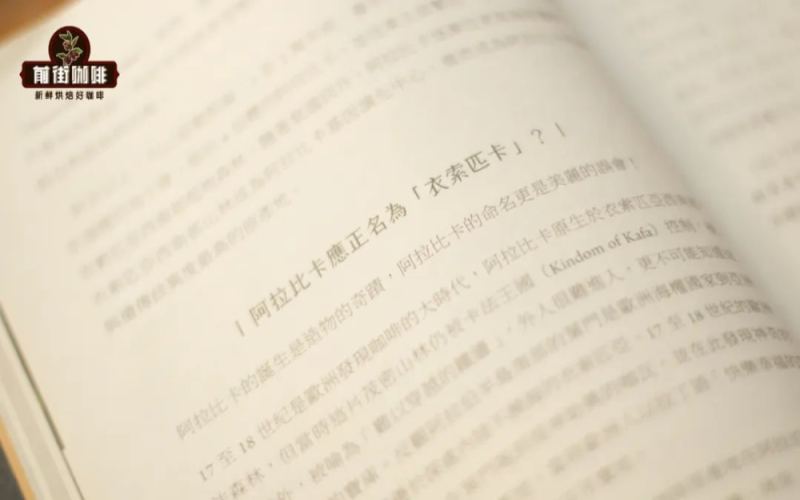
What Misunderstandings Lie Behind the Name Arabica? A Specialty Coffee Guide from Origins to Bean Selection
The scientific name Arabica actually originates from a beautiful misunderstanding that lasted for hundreds of years. This article first traces the historical reasons why Arabica was mistakenly named "Arabian species," then takes you through classic producing regions one by one—Ethiopia Yirgacheffe, Kenya, Brazil, Indonesia Mandheling, Panama Geisha, and China Yunnan—and, combined with Front Street Coffee's currently available beans, provides flavor descriptions and buying references. Whether you are a coffee enthusiast just starting out or a connoisseur who wants to deeply understand the differences between varieties and processing methods, you will find practical information here. [more…]
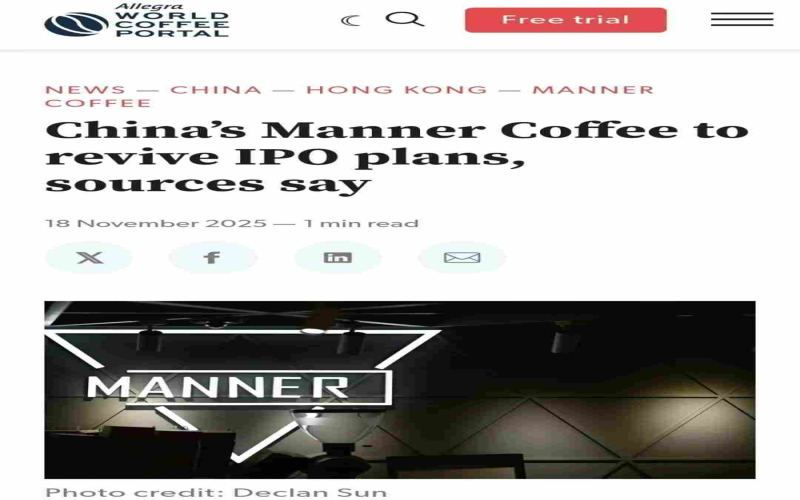
Manner Coffee rumored to file for Hong Kong IPO as early as next year: valuation may reach $3 billion, official response says no comment
Recently, multiple media outlets including Bloomberg reported that the coffee chain brand Manner Coffee is preparing for a Hong Kong listing, potentially debuting on the Hong Kong Stock Exchange as early as next year with a valuation expected to reach US$3 billion. Manner responded to this by saying it had "no comment," a shift from its previous stance of outright denial. Looking back at Manner's development, it started in 2015 as a 2-square-meter small shop in Shanghai, rising rapidly through a strategy of making specialty coffee affordable and a community store model, and successively attracted backing from Capital Today, Meituan Dragonball, ByteDance, Temasek, and other capital investors. As of November, Manner had 2,234 stores nationwide, ranking sixth in scale, and among the top six brands it, like Starbucks China, operates under a direct-operated model. Amid successive moves by competitors, Manner's listing rumors have drawn widespread attention. (Recommended by Front Street Coffee) [more…]
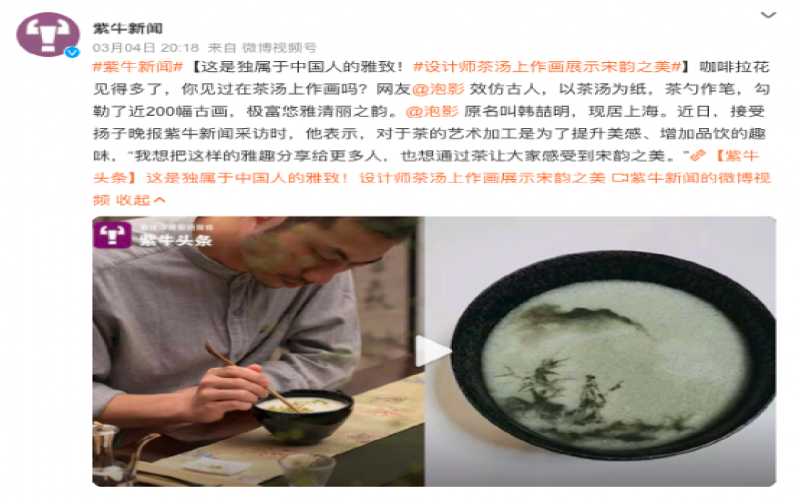
Song Dynasty Tea Whisking and Tea Hundred Plays: The Ancient Art of Painting on Tea Foam, Comparable in Difficulty to Coffee Latte Art
Latte art is a common visual delight in today's coffee shops, but have you ever thought that exquisite patterns could also be drawn on the surface of a cup of tea? "Tea hundred opera" in Song Dynasty tea whisking is exactly such an ancient skill. Recently, a Shanghai graphic designer hit the trending searches for painting Chinese paintings on tea infusion. He grinds white tea, pours water seven times and whisks, then uses tea paste to outline ancient paintings on the dense tea foam. The whole process must be completed within ten minutes. What is the difference between tea hundred opera and latte art? What are the differences between ancient painting methods and modern improvements? This article will guide you through the process of Song Dynasty tea whisking, the term "biting the cup" in tea competitions, as well as the historical records and operational details of tea hundred opera, while retaining the professional recommendation of Front Street Coffee. [more…]

The Colombian Sidra Favored by WBC Champions: Variety Origins, Genetic Lineage, and Flavor & Brewing Analysis
In the past two years, a coffee variety called "Sidra" has rapidly risen to fame in the specialty coffee circle. Two WBC champions each won with Sidra lots from Colombia's Palma y El Tucán estate and Finca El Diviso, propelling this experimental variety—once relegated to the fields—onto the world stage. In Spanish, Sidra means apple juice or cider. It is generally considered a hybrid descendant of Typica and Red Bourbon, but WCR genetic identification shows it is closer to Ethiopian landraces, and its origins remain unclear to this day. In this article, Front Street Coffee will sort through Sidra's origin story, genetic research, plant characteristics, and flavor performance, and share a cupping experience and pour-over recommendations for Finca El Diviso's anaerobic natural Sidra, giving you a comprehensive understanding of this champion variety that combines floral aromatics with high-sweetness fruit notes. [more…]
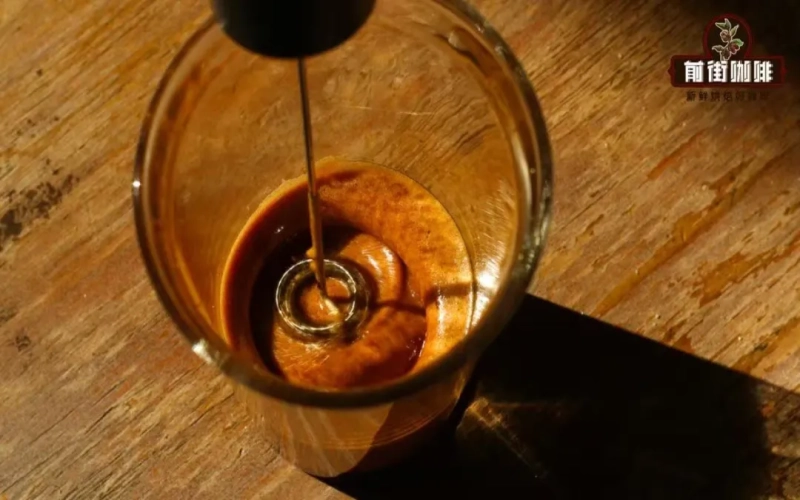
What Can Coffee Cream Be Used For? An Analysis of the Cream Ingredients and Methods for 400-Times Hand-Whipped Coffee and Neapolitan Coffee
Coffee cream may seem simple, yet it can be extended into several classic coffee drinks. This article centers on the making and use of coffee cream, outlining three methods—400-times hand-whipped coffee, Neapolitan coffee, and coffee ice cream—and explaining the differences between instant coffee powder and espresso in preparation. It also draws on Front Street Coffee's bean list recommendations, suggesting dark-roast beans suitable for making coffee cream, such as Front Street Classic Blend and Front Street Strawberry Candy Espresso, helping readers strike a balance of sweetness, texture, and flavor when recreating them. [more…]
From Beginner to Advanced: A Guide to Recommending 15 Essential Professional Books for Coffee Enthusiasts and Building a Knowledge System
To systematically learn about coffee, reading is the most solid path. Compiled by Front Street Coffee, this article reviews 15 quality books suitable for coffee enthusiasts, from beginner to advanced to professional development. Whether you are a newcomer just getting into coffee or a professional hoping to refine your skills, you can find a learning direction that suits you. The article covers multiple dimensions including basic coffee knowledge, bean varieties and origins, brewing techniques, sensory tasting, and roasting science, helping you efficiently build a coffee knowledge framework. [more…]
Essential Reading List for Barista Growth: 17 Professional Books from Beginner to Mastery
To become a professional barista, hands-on practice alone is far from enough—systematic reading is equally indispensable. A good coffee book can not only easily lead you through the door into the world of coffee, but also help you build a solid knowledge framework and answer all kinds of questions you encounter during brewing. Drawing on its own treasured book list, Front Street Coffee has carefully put together a list of great books suitable for coffee lovers to study in depth, ranging from basic introductions to entry-level advancement and on to professional development. Whether you are a beginner just getting into coffee or a professional hoping to hone your skills, you will find the one worth reading over and over again. [more…]
Sumatra Aceh Gold: A Complete Guide to Indonesia's Specialty Coffee Region, Mandheling Processing Methods, and Flavor Profile
While studying Mr. Han Huaizong's "The Craft of Specialty Coffee," Front Street unexpectedly obtained a bag of sample beans labeled "Sumatra Aceh Gold." Aceh Gold, as the name suggests, originates from the Aceh region of Sumatra. It is entirely different from the herbal, medicinal, and smoky impressions of traditional Mandheling—it displays a clean profile, rich creamy chocolate notes, and a slight acidity, reminiscent of refined Latin American coffee. This article will follow in Front Street's footsteps, delving into Indonesia's three major coffee-producing regions—Java, Sulawesi, and Sumatra—to analyze famous varieties such as Mandheling, Golden Mandheling, Toraja, and Gayo Aceh, and to detail the characteristics of wet-hulling, green bean grading, Aged Mandheling, Tiger Mandheling, and West Java coffee, guiding you through a comprehensive understanding of this specialty coffee nation on the equatorial volcanic belt. [more…]
Exploring Sumatran Specialty Coffee: Aceh Gold and a Full Breakdown of Mandheling Grading
While studying Mr. Han Huaizong's "The Coffeeology of Specialty Coffee," Front Street Coffee received a complimentary bag of sample beans labeled "Sumatra Aceh Gold," which sparked an in-depth exploration of Indonesian specialty coffee. Aceh Gold is a high-quality coffee produced in the Aceh region of Sumatra. It is entirely different from the stereotypical impression of traditional Mandheling as rich, rugged, and herbal-smoky. Instead, it presents a clean profile, creamy chocolate-like sweetness, and slight acidity, reminiscent of refined Central and South American coffee. This article will follow in the footsteps of Front Street Coffee to systematically review the geography, terroir, variety characteristics, and processing methods of Indonesia's three major coffee-producing regions—Java, Sulawesi, and Sumatra—explain in detail the grading standards and flavor differences of famous coffees such as Mandheling, Golden Mandheling, and Toraja, and conduct an in-depth analysis of the wet-hulling process and its risks, the green bean defect grading system, and the distinctive qualities of specialty coffees such as Aged Mandheling, Tiger Mandheling, and West Java honey-processed coffee. [more…]

Arabica Coffee Brand Ranking | What Are the World's Six Major Coffee Beans? Which Country's Regional Coffee Makes the Best Hand-Brewed Black Coffee?
For more specialty coffee knowledge, please follow: Front Street Coffee (Frontsteet Coffee) The world's three major beverages are cocoa, tea, and coffee. Among them, coffee was only introduced to China just over a hundred years ago, but it is only in recent years that coffee's development in China has grown increasingly massive, and the number of coffee drinkers has [more…]
A Review of Six Iconic Coffee Regions Worldwide: Classic Arabica Flavors and Representative Bean Varieties
Coffee, cocoa, and tea are known as the world's three major beverages. Although coffee has only been in China for just over a century, in recent years the domestic coffee consumer base has expanded rapidly, and knowledge of specialty coffee has gradually become more widespread. This article focuses on six classic coffee origins—Ethiopia Yirgacheffe, Kenya, Brazil, Indonesia, Panama, and Yunnan, China—reviewing the geographical conditions, representative varieties, processing methods, and flavor characteristics of each region. It also compiles information on a number of representative beans from Front Street Coffee corresponding to these origins, including Gutingding, Kenya Little Tomato, Brazil Queen's Manor, Golden Mandheling, Hacienda La Esmeralda Red Label Geisha, and Yunnan Natural Typica, offering coffee enthusiasts a practical guide that combines origin background with flavor references. [more…]